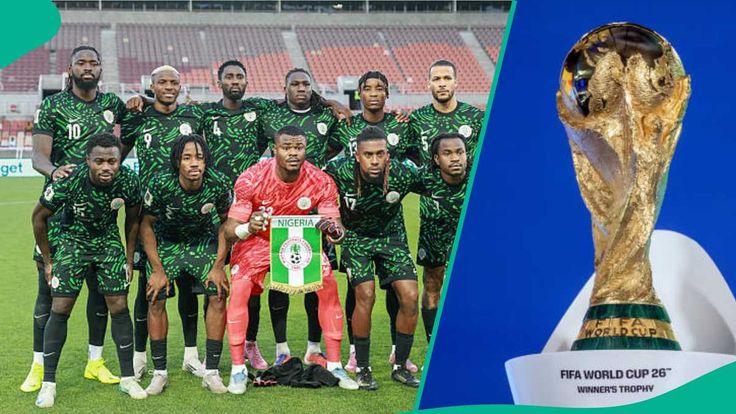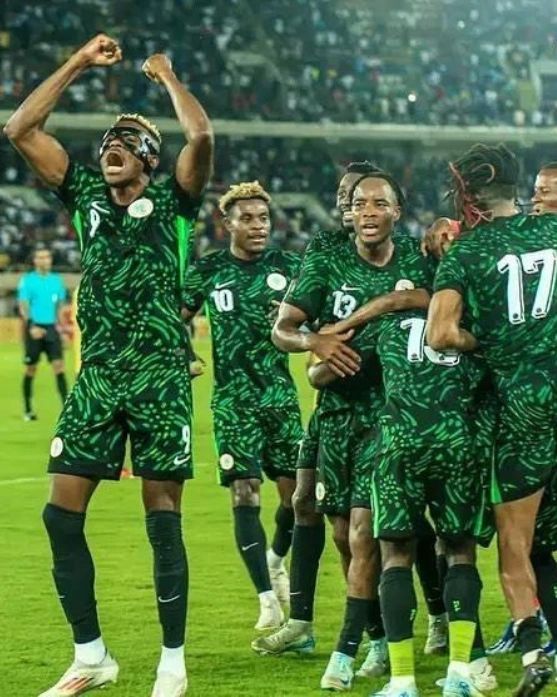
Football is one of the most popular sports in Nigeria. Across cities, towns, villages, schools, and local communities, millions of people follow the game as supporters, players, coaches, and sports professionals. From children playing on open fields to Nigerian stars competing in major European leagues, football has become an important part of the country's sporting culture.
However, Nigerian football did not become successful overnight. Its development involved several stages, including the introduction of the game during British colonial rule, the formation of organised football associations, the rise of the national teams, international achievements, and the growth of professional football.
Today, Nigeria is recognised for producing talented players and competitive national teams. The men's national team, known as the Super Eagles, has won major African competitions, while the women's national team, the Super Falcons, has established itself as one of Africa's most successful sides.
This article explores how football developed in Nigeria, the major events that shaped its history, the players who influenced its growth, and the challenges that continue to affect the sport.
1. The Introduction of Football to Nigeria
Football was introduced to Nigeria during the colonial period, largely through British sailors, merchants, colonial officials, teachers, and missionaries in the late nineteenth and early twentieth centuries.
The game gradually spread through coastal communities and urban centres such as Lagos and Calabar. Schools and educational institutions helped introduce football to young Nigerians, while workers and community groups organised informal matches.
At first, football was mainly a recreational activity. However, its popularity grew because it was relatively easy to play. Unlike some sports, football did not require expensive equipment or specialised facilities. A ball and an open space were often enough to organise a match.
As more Nigerians became interested in the game, school competitions, local teams, and organised matches began to develop. Football also became a way for communities to express pride and build relationships.
Over time, Nigerians moved beyond simply participating in a sport introduced during colonial rule. They began developing their own teams, competitions, and football traditions.
2. The Formation of Organised Football
An important stage in the development of Nigerian football was the establishment of a national football administration.
The Nigerian Football Association (NFA) emerged in 1945, helping organise competitions and oversee the development of the game. It later became known as the Nigeria Football Federation (NFF).
Organised administration helped create a more structured football environment. Instead of relying entirely on informal matches, clubs and players could participate in competitions governed by recognised rules.
Domestic tournaments became increasingly important, providing players with opportunities to demonstrate their abilities and gain recognition.
The development of national administration also helped Nigeria establish relationships with international football organisations. Nigeria gained FIFA affiliation in 1960, the year the country became independent.
These developments laid the foundation for Nigeria's participation in international football and helped establish a system through which the country could compete against other national teams.
3. Nigeria's First Steps in International Football
Following the growth of organised football, Nigeria began participating more regularly in international competitions.
The national team initially competed under the name Green Eagles before later becoming known as the Super Eagles. International matches allowed Nigerian players to test their abilities against teams from other African countries and beyond.
Nigeria made its first appearance at the Africa Cup of Nations (AFCON) in 1963. Although the country did not immediately become a continental champion, participation provided valuable experience.
During the following years, Nigerian football continued to develop through domestic competitions, international matches, and the emergence of talented players.
The national team gradually became more competitive, and football supporters began to see the possibility of Nigeria becoming a major force in African football.
4. The First Major Success: Winning AFCON in 1980
One of the most important moments in Nigerian football history came in 1980, when Nigeria hosted and won the Africa Cup of Nations.
The tournament was held in Lagos, and the Green Eagles defeated Algeria 3–0 in the final. The victory gave Nigeria its first AFCON title.
This achievement was significant for several reasons. It demonstrated the quality of Nigerian players, increased public interest in football, and gave the country a major international sporting success.
The team included influential players such as Christian Chukwu, Segun Odegbami, and other members of a talented generation.
Winning the tournament also encouraged greater interest in domestic football. Clubs and young players had a stronger example of what could be achieved through discipline, teamwork, and preparation.
The 1980 victory remains a landmark in the history of Nigerian football because it established the country as a continental champion.
5. The Rise of the Super Eagles in the 1990s
The 1990s were among the most memorable periods in Nigerian football.
Nigeria won its second Africa Cup of Nations title in 1994, defeating Zambia 2–1 in the final. The team featured talented players such as Rashidi Yekini, Jay-Jay Okocha, Sunday Oliseh, Finidi George, Daniel Amokachi, and Emmanuel Amunike.
That same year, Nigeria qualified for its first men's FIFA World Cup, held in the United States.
The Super Eagles impressed supporters with their attacking style, speed, technical ability, and confidence. They reached the Round of 16, where they lost to Italy after extra time.
Nigeria returned to the World Cup in 1998 and again reached the Round of 16. These performances helped establish the country as a recognised competitor in international football.
The 1990s also strengthened Nigeria's reputation as a source of talented footballers. More Nigerian players attracted attention from clubs outside Africa, helping connect the country's football development to the international game.
6. Nigeria's Historic Olympic Gold Medal in 1996
Another major achievement came at the 1996 Olympic Games in Atlanta, United States.
Nigeria's men's under-23 team, commonly known as the Dream Team, won the Olympic football gold medal. The team defeated strong opponents, including Brazil in the semifinal and Argentina in the final.
The final ended in a 3–2 victory for Nigeria, with Emmanuel Amunike scoring the decisive goal late in the match.
This achievement was particularly important because Nigeria became the first African country to win Olympic men's football gold.
Players such as Nwankwo Kanu, Jay-Jay Okocha, and other members of the squad became associated with one of the most celebrated moments in Nigerian sporting history.
The victory showed that Nigerian teams could compete successfully against leading football nations and encouraged young players to pursue professional careers.
7. The Development of Professional Football and Nigerian Clubs
Football development in Nigeria has not depended only on the national team. Domestic clubs have also played a major role in identifying and training players.
Clubs such as Enyimba, Enugu Rangers, Shooting Stars, Kano Pillars, and other Nigerian sides have contributed to the country's football culture.
Domestic competitions give players opportunities to gain match experience, develop tactical understanding, and attract the attention of national-team selectors.
Enyimba became particularly prominent after winning the CAF Champions League in 2003 and 2004. These victories established the club as one of the most successful Nigerian sides in continental competition.
However, professional football in Nigeria has also faced challenges. Some clubs have struggled with inconsistent funding, inadequate training facilities, salary delays, and difficulties maintaining modern infrastructure.
Improving club management, youth development, coaching, and financial stability remains important for strengthening the domestic game.
8. The Growth of Women's Football in Nigeria
Women's football has become another important part of Nigeria's sporting development.
The Super Falcons, Nigeria's senior women's national team, have enjoyed considerable success in African football. They have won the Women's Africa Cup of Nations multiple times and have regularly represented the continent at the FIFA Women's World Cup.
The team won the inaugural Women's Africa Cup of Nations in 1998 and continued to establish itself as a leading force in the competition.
Nigeria's women have also produced internationally recognised players, including Asisat Oshoala, who has competed at major European clubs and earned recognition for her performances.
The Super Falcons' achievements have helped increase the visibility of women's football and inspired girls to participate in the sport.
Nevertheless, women's football still faces obstacles, including unequal resources, limited sponsorship, and differences in media attention compared with men's football. Addressing these issues can help more female players develop their abilities and pursue professional careers.
9. Nigerian Players in European and International Leagues
One of the clearest signs of football's development in Nigeria is the number of players who have built careers abroad.
Nigerian footballers have played for clubs in England, Spain, Italy, Germany, France, Portugal, and other countries.
Past stars such as Nwankwo Kanu, Jay-Jay Okocha, Finidi George, and Sunday Oliseh helped establish Nigeria's international reputation. Their achievements inspired younger players to pursue opportunities in professional football.
More recent generations have included Victor Osimhen, Ademola Lookman, Alex Iwobi, Wilfred Ndidi, and many others.
Playing abroad can provide footballers with access to advanced training facilities, competitive leagues, specialist coaching, and international exposure. These experiences may also benefit the national team when players bring their skills and knowledge into international competitions.
At the same time, Nigeria needs strong domestic academies and clubs to ensure that young players can develop locally before pursuing careers overseas.
10. The Importance of Youth Academies and Grassroots Football
Grassroots football is essential to the future of Nigerian football.
Young players often begin by playing in school competitions, community tournaments, local academies, and neighbourhood teams. These environments can help identify talent at an early age.
A well-organised development system should provide young players with qualified coaches, suitable pitches, fitness training, education, and opportunities to compete.
Youth academies can also teach important values such as teamwork, discipline, communication, and respect for opponents.
However, talented children do not always receive the support they need. Some lack access to quality facilities or trained coaches, while others encounter unreliable agents who promise professional opportunities without providing legitimate pathways.
Investing in grassroots football, protecting young players, and improving academy standards can help Nigeria develop more talented and well-prepared footballers.
11. Challenges Facing Nigerian Football Today
Despite its achievements, Nigerian football continues to face several challenges.
Football administration: Disagreements and instability within football management can affect planning, coaching appointments, and long-term development.
Infrastructure: Some clubs and communities lack modern pitches, training centres, medical facilities, and other resources needed for professional football.
Funding and welfare: Financial difficulties can affect player salaries, league organisation, club operations, and the quality of domestic competitions.
Youth development: Nigeria has a large population of young people, but talent alone is not enough. Players need structured coaching, education, competition, and appropriate support.
International qualification: The Super Eagles' failure to qualify for the 2022 and 2026 men's World Cups showed that a strong football history does not guarantee future success.
Addressing these challenges requires cooperation between the NFF, clubs, government bodies, private sponsors, coaches, schools, and local communities.
12. The Future of Football in Nigeria
The future of Nigerian football depends on how effectively the country builds on its existing talent and history.
Investment in youth academies, better coaching education, improved stadiums, and stronger domestic competitions can help create a more reliable development system.
Football authorities can also support the game by improving financial transparency, maintaining clear competition rules, and creating opportunities for talented players to progress through different levels of the sport.
Women's football deserves continued investment, while local clubs need stronger structures that allow them to develop players and compete consistently.
Nigeria has already demonstrated its ability to produce excellent footballers and achieve success in international competitions. The next step is to establish a sustainable system that helps future generations reach their potential.
Frequently Asked Questions (FAQs)
When did football begin in Nigeria?
Football spread through Nigeria during the late nineteenth and early twentieth centuries, largely through British sailors, teachers, merchants, and missionaries. It gradually developed through schools, local teams, and organised competitions.
When was the Nigeria Football Association established?
The Nigerian Football Association emerged in 1945. It later became known as the Nigeria Football Federation.
When did Nigeria win its first Africa Cup of Nations title?
Nigeria won its first AFCON title in 1980, defeating Algeria 3–0 in the final in Lagos.
When did Nigeria first qualify for the men's FIFA World Cup?
Nigeria made its men's FIFA World Cup debut in 1994 in the United States and reached the Round of 16.
What was Nigeria's biggest Olympic football achievement?
Nigeria's men's under-23 team won Olympic football gold at the 1996 Atlanta Games, defeating Argentina 3–2 in the final.
How has women's football developed in Nigeria?
The Super Falcons have become one of Africa's most successful women's national teams, winning multiple continental titles and regularly competing at the Women's World Cup.
Conclusion
Football in Nigeria has developed from an introduced recreational activity into a major sporting institution with national and international importance.
The formation of organised football administration, the growth of domestic competitions, Nigeria's first AFCON title in 1980, the Super Eagles' World Cup debut in 1994, and the Olympic gold medal in 1996 all helped shape the country's football history.
The success of the Super Falcons and the emergence of Nigerian players in international leagues have further strengthened the sport's influence.
However, Nigeria must continue improving grassroots development, club management, facilities, coaching, and football administration to maintain progress.
With sustained investment and better planning, Nigerian football can build on its achievements and create more opportunities for future generations of players.