The FIFA World Cup is the biggest international football competition, bringing together the best national teams from around the world. For African football fans, the 2026 FIFA World Cup was especially significant because the continent achieved a record number of participating teams.
The tournament expanded from 32 to 48 teams, giving Africa more opportunities to compete on the global stage. As a result, 10 African countries participated in the 2026 FIFA World Cup, the highest number in the competition's history.
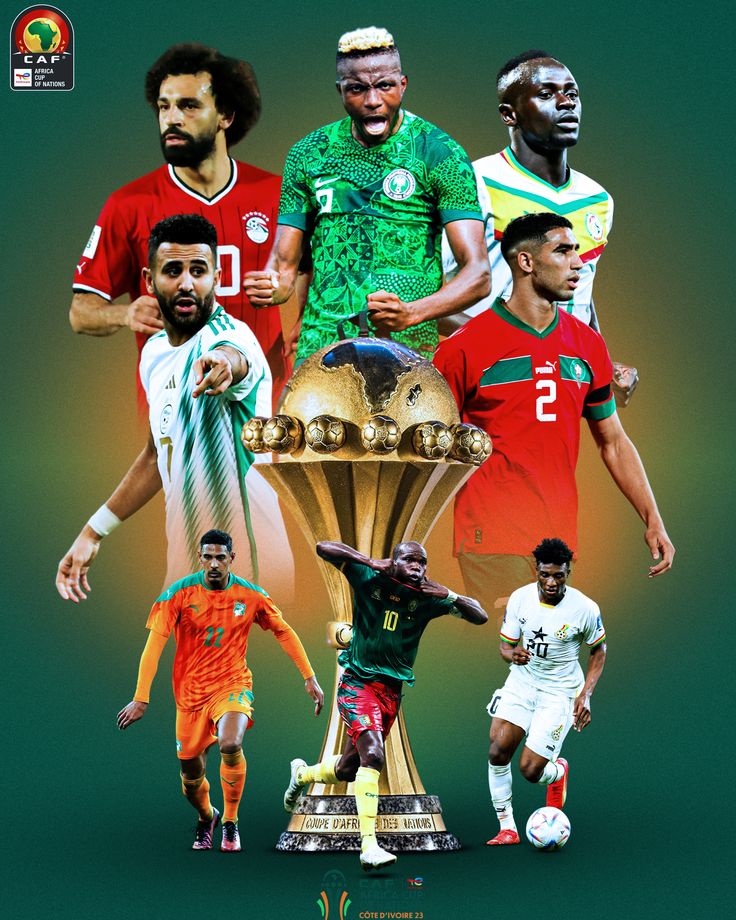
The African representatives were Algeria, Cape Verde, Côte d'Ivoire, the Democratic Republic of the Congo (DR Congo), Egypt, Ghana, Morocco, Senegal, South Africa, and Tunisia. Nine countries qualified directly through the African group stage, while DR Congo secured the additional place by winning the intercontinental playoff.
The tournament was hosted by the United States, Canada, and Mexico from June 11 to July 19, 2026. Although the competition has now concluded, understanding how these African nations qualified and what made their campaigns important provides a useful look at the development of football across the continent.
1. How Many African Teams Participated in the 2026 World Cup?
Ten African national teams participated in the 2026 World Cup. This was a historic achievement for the Confederation of African Football (CAF), the organisation responsible for football across Africa.
Previously, Africa had five representatives at the 2022 World Cup in Qatar. The expansion to 48 teams increased the continent's allocation to nine direct qualification places, with an additional opportunity through the intercontinental playoff tournament.
The 10 African representatives were:
-
Algeria
-
Cape Verde
-
Côte d'Ivoire
-
Democratic Republic of the Congo
-
Egypt
-
Ghana
-
Morocco
-
Senegal
-
South Africa
-
Tunisia
These teams represented different football traditions, from countries with extensive World Cup experience to a nation making its debut at the tournament.
Cape Verde's participation was particularly historic because it marked the country's first appearance at a men's FIFA World Cup.
2. Morocco: Aiming to Build on Historic Success
Morocco entered the 2026 World Cup after making history in Qatar in 2022. The Atlas Lions became the first African and Arab national team to reach the men's World Cup semifinals.
That achievement raised expectations for Moroccan football and demonstrated that an African team could compete with some of the world's strongest sides.
Morocco has developed a reputation for organised defending, tactical discipline, talented midfielders, and dangerous attacking players. Its national team has also benefited from players competing in major European leagues.
The 2026 tournament offered Morocco another opportunity to demonstrate that its 2022 performance was part of a broader period of progress rather than an isolated achievement.
For Moroccan supporters, the main questions concerned whether the team could maintain its defensive strength, create enough scoring opportunities, and perform consistently against different international opponents.
3. Senegal: A Strong African Contender
Senegal qualified directly for the 2026 World Cup after an impressive African qualifying campaign.
The Lions of Teranga have become one of Africa's most recognisable national teams. Their achievements include winning the Africa Cup of Nations in 2021 and reaching the knockout stages of the 2022 World Cup.
Senegal has regularly produced talented footballers capable of competing at the highest levels of European football. The national team has combined physical strength, technical ability, pace, and tactical organisation.
Experienced players and emerging talents have helped Senegal maintain its position among Africa's leading football nations.
At the 2026 World Cup, Senegal's participation represented another chance to build on its previous international achievements and compete for progression beyond the group stage.
4. Egypt: Returning to the Global Stage
Egypt was another African country that qualified directly for the tournament.
The Pharaohs are one of Africa's most successful national teams in the Africa Cup of Nations, having won the continental competition seven times. However, their World Cup history has been more limited than their continental record.
Egypt's qualification brought another opportunity to demonstrate its quality against teams from other football confederations.
The country has produced internationally recognised players, including Mohamed Salah, whose performances for club and country have attracted attention from football supporters around the world.
Egypt's challenge was to translate its continental experience into consistent performances at the global tournament. Strong teamwork, effective defending, and the ability to take scoring chances were important factors in pursuing that goal.
5. Algeria: The Desert Warriors Return
Algeria secured one of Africa's nine direct qualification places.
Known as the Desert Warriors, Algeria has a proud football history and has previously participated in several World Cups. The national team won the Africa Cup of Nations in 1990 and 2019.
Algeria has often combined technical football with energetic attacking play. Its players have experience in European and other competitive leagues, giving the national team a variety of tactical options.
Qualifying for the 2026 tournament was an important achievement after Algeria missed the 2022 World Cup.
The competition gave the country an opportunity to compete internationally again and show how its squad had developed since its previous appearance.
6. Côte d'Ivoire: African Champions on the World Stage
Côte d'Ivoire, also known as the Ivory Coast, qualified directly after a strong qualifying campaign.
The Elephants have a rich football history and won the Africa Cup of Nations in 1992, 2015, and 2023. Their 2023 continental title, won on home soil in 2024, reinforced the country's status as an important force in African football.
Côte d'Ivoire has produced many notable players, including Didier Drogba and Yaya Touré, who helped raise the country's profile internationally.
The 2026 World Cup provided a new generation of Ivorian players with the opportunity to create their own history. The team needed to combine its attacking talent with disciplined defending and consistent decision-making to compete effectively.
7. Ghana: The Black Stars Return
Ghana qualified directly for the 2026 World Cup and returned to football's biggest international stage.
The Black Stars are widely remembered for their impressive performance at the 2010 World Cup in South Africa, when they reached the quarterfinals and came close to becoming the first African team to reach the semifinals.
Ghana has produced several internationally respected players, including Michael Essien, Asamoah Gyan, and current-generation stars.
Qualification was important after Ghana's disappointing group-stage exit at the 2022 tournament. The team had an opportunity to rebuild confidence and show its ability to compete against different styles of football.
The Black Stars' performance depended on their capacity to defend as a unit, create chances, and make the most of opportunities in important matches.
8. Tunisia: Another North African Representative
Tunisia earned a direct place at the 2026 World Cup.
The Carthage Eagles have regularly appeared at the tournament and are known for their organised approach, competitive spirit, and strong support from their fans.
Tunisia's qualification continued its record of participation in major international competitions. The team has often been difficult to break down defensively, although converting chances into goals has been an important challenge at previous World Cups.
The expanded tournament gave Tunisia another opportunity to compete against national teams from different continents and pursue a place in the knockout rounds.
Its participation also strengthened North Africa's representation at the tournament, alongside Morocco, Algeria, and Egypt.
9. South Africa: Bafana Bafana Return
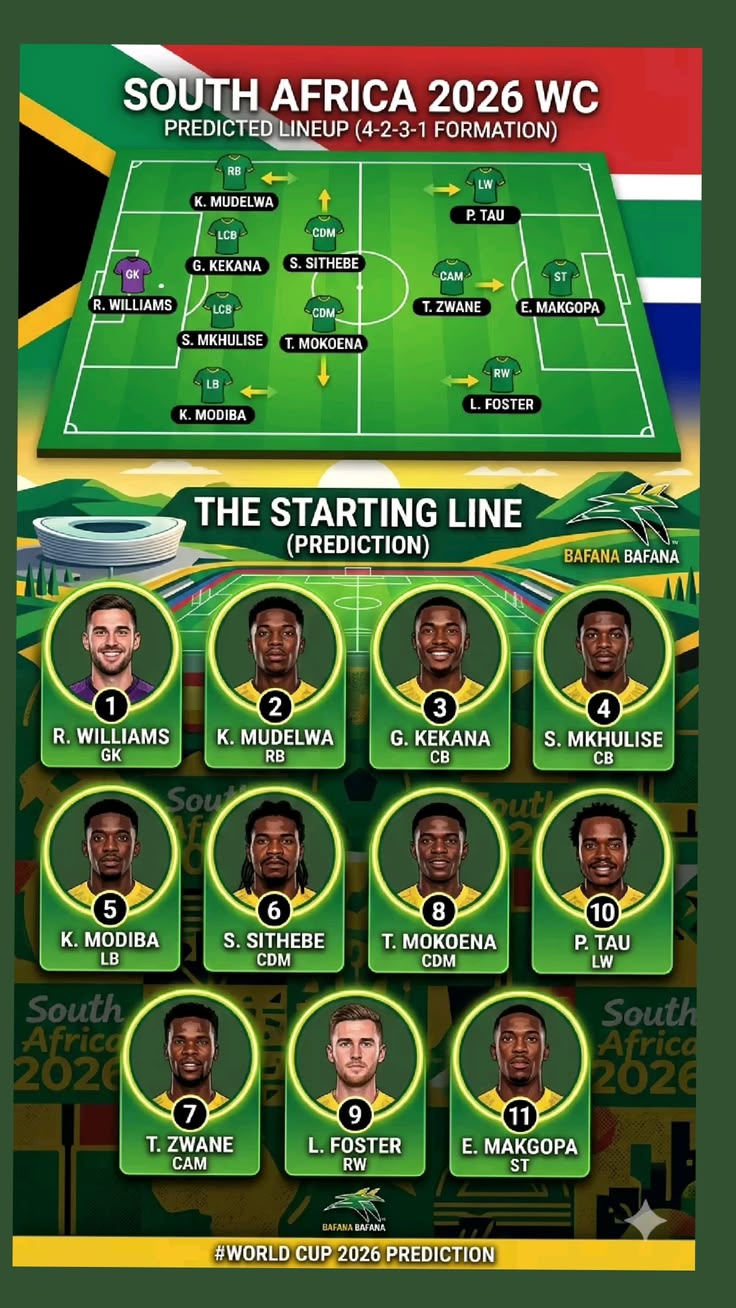
South Africa qualified for the 2026 World Cup, marking its return to the tournament after missing the 2014, 2018, and 2022 editions.
The country's last appearance before 2026 was in 2010, when it hosted the World Cup. That tournament remains an important moment in South African sporting history.
Bafana Bafana secured direct qualification after a competitive campaign in which the final group standings proved crucial.
South Africa's return reflected years of effort by players, coaches, and football administrators. The team also brought experience from its performance at the 2023 Africa Cup of Nations, where it finished third.
For supporters, the 2026 competition was an opportunity to see the national team compete again on the world's biggest football stage.
10. Cape Verde: A Historic World Cup Debut
Cape Verde achieved one of the most remarkable milestones in African football by qualifying for its first-ever men's FIFA World Cup.
The island nation, also called Cabo Verde, secured direct qualification by finishing top of its group.
Its achievement demonstrated that smaller countries can compete successfully when they combine effective organisation, talented players, strong coaching, and consistent performances.
Cape Verde has developed a competitive national team despite having a relatively small population. Many players with Cape Verdean backgrounds have developed their careers in European leagues, adding valuable experience to the squad.
The 2026 tournament offered the country a chance to introduce its football talent to a global audience and inspire future generations of players.
11. DR Congo: Africa's Additional Qualifier
The Democratic Republic of the Congo completed Africa's record 10-team lineup through the intercontinental playoff route.
DR Congo finished among the four best runners-up in the African qualifying groups. It then defeated Cameroon in the semifinal of the African playoff before beating Nigeria in the final on penalties following a 1–1 draw after extra time.
That victory gave DR Congo the opportunity to represent Africa in the intercontinental playoff tournament.
On March 31, 2026, DR Congo defeated Jamaica 1–0 after extra time, with Axel Tuanzebe scoring the decisive goal. The result secured the country's place at the World Cup.
The qualification was especially meaningful because DR Congo returned to the men's World Cup for the first time since 1974, when the country competed under the name Zaire.
12. What Did the 2026 World Cup Mean for African Football?
The participation of 10 African countries represented an important milestone for the continent.
The larger allocation allowed more nations to compete at the World Cup and gave players from a wider range of countries the chance to gain experience at the highest international level.
The tournament also demonstrated that African football includes countries with different resources, populations, football traditions, and development systems.
Morocco entered the competition with the memory of its historic semifinal run in 2022. Senegal, Ghana, Egypt, Tunisia, Algeria, and Côte d'Ivoire brought their own international histories. South Africa returned after a long absence, Cape Verde made its debut, and DR Congo completed an impressive qualification journey through the playoffs.
CAF later reported that nine of the 10 African teams advanced from the group stage to the Round of 32. This was another notable achievement for the continent.
The results highlighted the growing competitiveness of African national teams and the importance of continued investment in youth development, coaching, facilities, and domestic football structures.
Frequently Asked Questions
How many African teams participated in the 2026 World Cup?
Ten African countries participated: Algeria, Cape Verde, Côte d'Ivoire, DR Congo, Egypt, Ghana, Morocco, Senegal, South Africa, and Tunisia.
Which African country made its World Cup debut in 2026?
Cape Verde made its first-ever appearance at a men's FIFA World Cup in 2026.
Why did Africa have 10 teams at the tournament?
FIFA expanded the World Cup from 32 to 48 teams. Africa received nine direct qualification places and one additional opportunity through the intercontinental playoff.
Did Nigeria qualify for the 2026 World Cup?
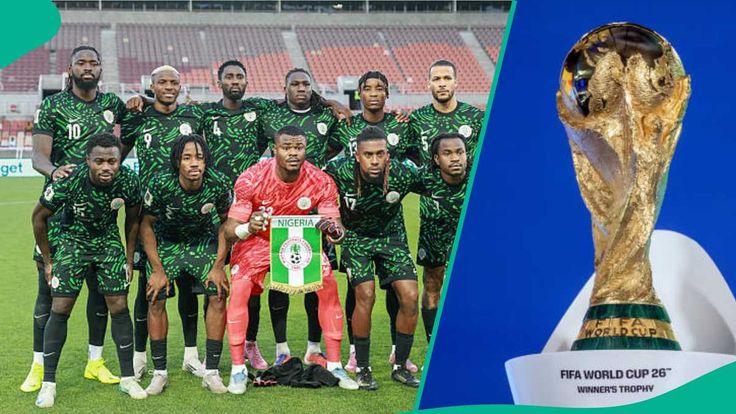
No. Nigeria reached the African playoff final but lost to DR Congo on penalties after a 1–1 draw. DR Congo subsequently qualified by defeating Jamaica in the intercontinental playoff.
Which African team reached the World Cup through the playoff?
DR Congo qualified through the playoff route, defeating Jamaica 1–0 after extra time on March 31, 2026.
Which African teams advanced beyond the group stage?
According to CAF, nine African teams reached the Round of 32: Algeria, Cape Verde, Côte d'Ivoire, DR Congo, Egypt, Ghana, Morocco, Senegal, and South Africa.
Conclusion
The 2026 FIFA World Cup marked a historic moment for African football, with 10 national teams participating in the expanded competition.
Algeria, Cape Verde, Côte d'Ivoire, Egypt, Ghana, Morocco, Senegal, South Africa, and Tunisia qualified directly, while DR Congo secured the final African place through the intercontinental playoff.
From Cape Verde's first appearance to Morocco's ambition to build on its previous success, each country brought a different story to the tournament. Their participation increased Africa's representation on the global stage and created new opportunities for players, supporters, and football development across the continent.
The achievement of sending 10 teams to one World Cup demonstrated the depth and variety of African football and provided an important milestone for the future of the game.
SEO Elements for WordPress
SEO Title: Which African Teams Participated in the 2026 World Cup?
Focus Keyword: African teams in the 2026 World Cup
Meta Description: Discover the 10 African teams that participated in the 2026 FIFA World Cup, how they qualified, and why the tournament was historic for African football.
URL Slug: african-teams-2026-world-cup
Related Keywords: African countries in the 2026 World Cup, 2026 World Cup African teams, CAF World Cup qualifiers, Cape Verde World Cup debut, DR Congo World Cup qualification.
WordPress Tags: FIFA World Cup 2026, African football, CAF, Morocco, Senegal, Nigeria football, DR Congo, World Cup qualifiers.